When is the Best Time to Visit Egypt? 2026 Guide
Quick answer: October through April, for most of Egypt. The longer answer is that "most of Egypt" is doing a lot of work in that sentence — the Red Sea coast, the Mediterranean north, and the desert interior each run on a different climate entirely, so the right month really depends on where you're actually going.
Cairo, Luxor, Aswan — this is the easy one
October to April is the sweet spot here, full stop. Daytime temperatures hold in a comfortable 20-28°C range, which is exactly what you want for hours at the Pyramids, Karnak, or the Valley of the Kings without retreating indoors by noon. December and January are the most crowded and the most expensive; October, November, March, and April give you nearly the same weather with noticeably better prices and smaller crowds at the big sites.
Is Egypt too hot in summer?
In Upper Egypt specifically — yes, genuinely. This isn't exaggeration for effect: during an August 2026 heatwave, Egypt's Meteorological Authority recorded 36-39°C in Greater Cairo and 41-46°C in Luxor and Aswan, with humidity pushing the felt temperature even higher. That range isn't a freak event — it repeats most summers. A July or August trip to Luxor isn't impossible, especially built around early mornings, air-conditioned transport, and time on a Nile cruise where the river cools things down, but go in knowing it's a fundamentally different trip than visiting in January.
What about the Red Sea — Hurghada, Sharm, Marsa Alam?
This is close to a year-round yes. Winter (November-March) is warm, sunny, and the water's comfortable for most swimmers, which is exactly why it's peak season for travelers escaping colder climates at home. Summer is hotter on land, but the diving conditions stay excellent and the sea itself offers relief the inland cities don't have. If diving visibility specifically is the priority, March-June and September-November tend to be the strongest windows.
And Alexandria / the North Coast?
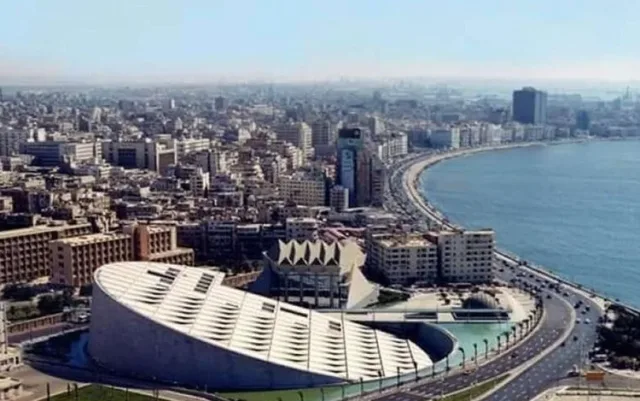
Here's the twist: this region flips the usual rule. Alexandria and the North Coast beach towns run on a summer calendar, roughly June through August, which is exactly when the rest of the country's heat is at its worst — the same August 2026 heatwave that hit Cairo and Luxor so hard only pushed the North Coast to a milder 30-33°C. Outside summer, especially in winter, a lot of the North Coast's resort infrastructure simply closes down, so this is the one part of Egypt where "winter is best" doesn't apply.
What about the desert — White Desert, Siwa?
Big daily swings are the defining feature here. Winter days are pleasant, but nights can get close to freezing, which matters a lot if an overnight camping trip is part of the plan. Summer days are intensely hot with almost no shade. Spring and autumn strike the best balance of warm days and tolerable nights for anyone camping in the desert.
Does Ramadan affect any of this?
It can shift the texture of a city trip — many restaurants and shops open later and close around sunset for iftar — but it doesn't close tourist sites, and guided tours run normally throughout. Ramadan's dates move every year on the Islamic calendar, so check the current year's actual dates rather than assuming they match last year's.
So what's actually the best month if I'm covering multiple regions?
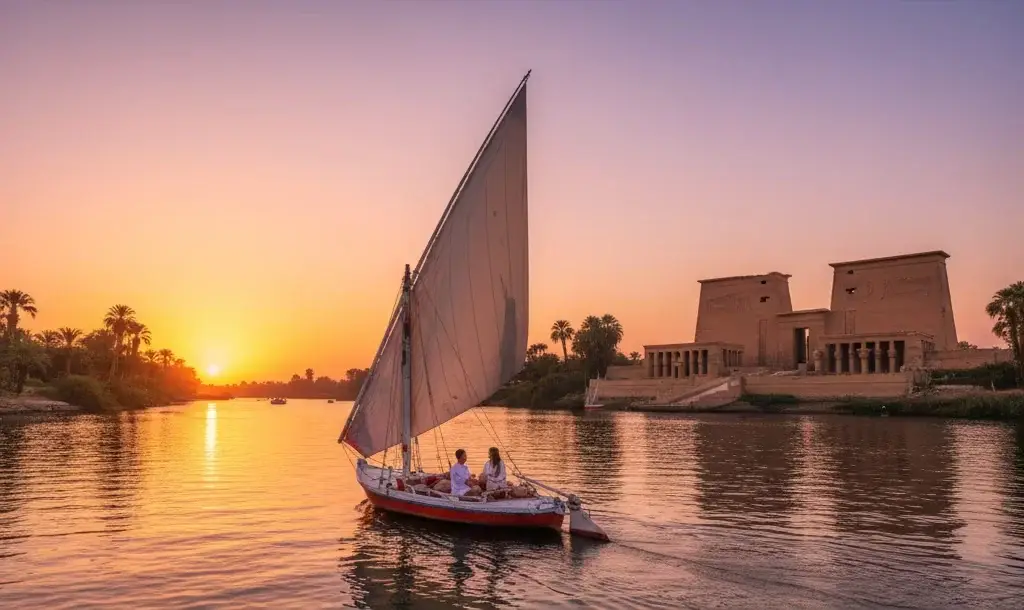
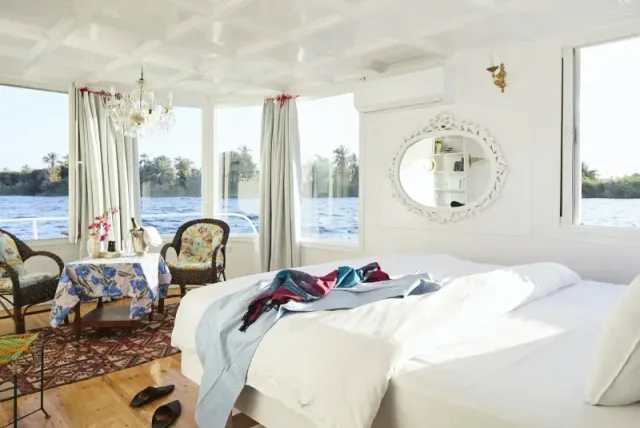
If one trip has to cover Cairo, the Nile, and the coast, October/November or March/April give you the best overall balance — mild enough for the Nile Valley, still warm enough for the Red Sea, before the North Coast even opens for the season. A Nile dahabiya cruise between Luxor and Aswan stays comfortable even outside the coolest months, since the river moderates the heat. On the coast, a Red Sea diving day trip from Hurghada or an exclusive Red Sea yacht day works in almost any month, and an Edfu and Kom Ombo temples day tour slots naturally into either end of a Luxor-Aswan itinerary.
You Might Also Like

Red Sea Diving Adventure
39€ / person

Exclusive Red Sea Yacht Experience
460€ / person
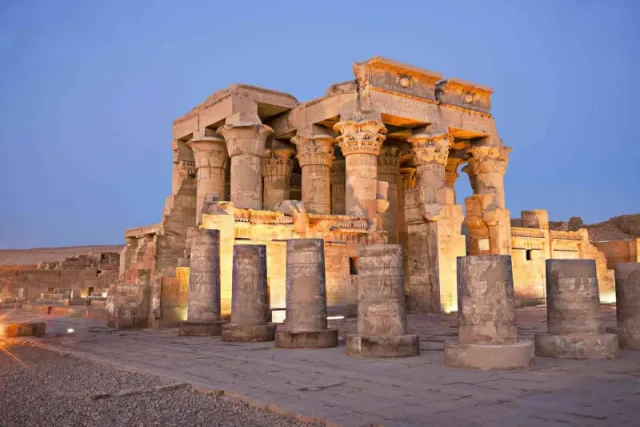
Edfu & Kom Ombo Temples Day Tour Between Luxor and Aswan
85$ / person
Private Dahabiya Sailing Cruise: Luxor to Aswan
1050$ / person
Alexandria Day Trip from Cairo
85€ / person

Private Alexandria Day Trip from Cairo
145€ / person